
What to Do After Water Damage in Fraser, MI: Your First 24 Hour Guide
 Dec 4, 2025
 What should you know first?
Discovered water damage in your Fraser home? Learn the critical steps to take in the first 24 hours to minimize damage and protect your property. Call Miracle Property Restoration for emergency help.
Discovering water damage in your home is one of those moments that stops you in your tracks. Whether you’ve come home to a flooded basement, woken up to a burst pipe, or noticed water pooling around your water heater, that initial wave of panic is completely understandable. The good news is that how you respond in the first 24 hours can make a significant difference in minimizing damage, reducing restoration costs, and getting your home back to normal faster.
Here in Fraser and throughout Macomb County, water damage is something many homeowners face at some point. Our Michigan winters bring frozen pipe risks, spring thaws can overwhelm drainage systems, and summer storms test even the best-prepared homes. Knowing what to do when water damage strikes puts you in control of a stressful situation.
Stay Safe First
Before you do anything else, make sure it’s safe to enter the affected area. If there’s standing water and you’re unsure whether electrical outlets, appliances, or wiring could be submerged, don’t walk through it. Water and electricity are a dangerous combination. If you can safely access your electrical panel without stepping through water, turn off power to the affected areas. When in doubt, stay out and call a professional.
If the water damage appears to involve sewage or contaminated water from an outside flood, avoid direct contact. This type of water poses health risks and requires professional handling.
Stop the Water Source
If the flooding is coming from inside your home, your immediate priority is stopping the flow. Locate the source and shut it off if possible. For a burst pipe or plumbing failure, turn off your main water supply valve. Most Fraser homes have this valve near the water meter, often in the basement or crawl space. For appliance failures like a water heater or washing machine, there’s usually a dedicated shutoff valve nearby.
Sometimes the source isn’t immediately obvious. A slow leak behind a wall or under flooring might have been building for days before you noticed the damage. In these cases, shutting off the main water supply while you investigate is the safest approach.
Document Everything
Once you’ve addressed immediate safety concerns and stopped the water source, grab your phone and start documenting. Your insurance claim will depend heavily on the evidence you gather now, so be thorough.
Take photos and video of all affected areas before you start cleaning up. Capture wide shots of each room showing the extent of water spread, then get close-ups of damaged items, walls, flooring, and furniture. If you can see a water line on walls or furniture showing how high the water reached, photograph that too.
Make a written list of damaged items as you go, including approximate values and purchase dates when you can remember them. This inventory will be valuable when filing your claim. Don’t throw anything away yet-your insurance adjuster may need to see damaged items in person.
Begin Water Removal
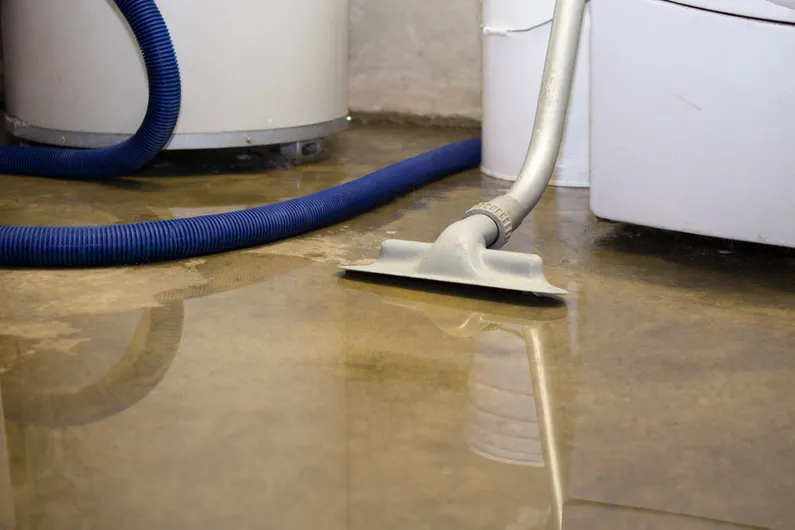
If the water volume is manageable and you can work safely, starting basic water removal helps limit damage to your home’s structure and belongings. Use mops, towels, and a wet/dry vacuum if you have one. For basement flooding, a submersible pump can remove standing water more quickly.
Open windows and doors to improve air circulation, and run fans to help start the drying process. If you have a dehumidifier, now is the time to put it to work. The goal is to reduce moisture levels as quickly as possible because mold can begin developing within 24 to 48 hours in damp conditions.
Move wet items to a dry area where they can air out. Lift furniture off wet carpet by placing aluminum foil or wooden blocks under the legs to prevent further damage and staining.
What Can Be Saved Versus What Should Go
Not everything affected by water damage needs to be discarded, but some items aren’t worth the risk of keeping. Generally speaking, non-porous items like glass, plastic, and metal can usually be cleaned and saved. Solid wood furniture can often be restored if dried properly, though veneer and particleboard tend to swell and delaminate beyond repair.
Carpet and padding can sometimes be saved if the water was clean and drying begins within 24 to 48 hours, but padding usually needs replacement. Upholstered furniture is more challenging-it depends on the water type and how quickly drying begins.
Items that should typically be discarded include anything contaminated by sewage or floodwater, mattresses and pillows that got soaked through, particleboard furniture that has begun to swell, and any food or medicine that contacted floodwater. When in doubt, prioritize your family’s health over salvaging questionable items.
Common Causes of Water Damage in Fraser and Macomb County
Living in Michigan means dealing with weather extremes that create specific water damage risks. During our cold winters, pipes in exterior walls, unheated areas, or poorly insulated spaces can freeze and burst. Many older homes in Fraser’s established neighborhoods have plumbing that’s particularly vulnerable during deep freezes.
Spring brings its own challenges. Rapid snowmelt combined with spring rains can overwhelm sump pumps and drainage systems. Macomb County’s clay-heavy soil doesn’t absorb water quickly, which means it often finds its way into basements instead.
Sump pump failures are one of the most common causes of basement flooding locally. Power outages during storms knock pumps offline right when they’re needed most, and mechanical failures happen without warning. Regular maintenance and battery backup systems help but can’t prevent every failure.
When to Call a Professional
While minor water incidents might be manageable on your own, most water damage situations benefit from professional assessment and restoration. Consider calling a restoration company if the affected area is larger than a single small room, if water sat for more than 24 hours before discovery, if the water source was contaminated, if you notice musty odors suggesting mold growth, or if structural materials like drywall and subflooring are affected.
Professional restoration companies have commercial-grade equipment that removes water and moisture far more effectively than household tools. They can also identify hidden moisture in walls, under flooring, and in other areas where problems might develop unseen.
Miracle Property Restoration Is Here to Help
At Miracle Property Restoration, we understand how overwhelming water damage can feel. Our team serves Fraser and the surrounding Macomb County communities with 24/7 emergency response because water damage doesn’t wait for business hours.
When you call us, we respond quickly to assess the damage, begin professional water extraction, and develop a restoration plan tailored to your situation. We work directly with insurance companies to help streamline your claim process, and we’re committed to getting your home back to normal as efficiently as possible.
If you’re dealing with water damage right now, don’t wait. Call Miracle Property Restoration for immediate assistance. The faster professional restoration begins, the better the outcome for your home and your peace of mind.
Frequently Asked Questions
What does this what to do after water damage in fraser, mi: your first 24 hour guide guide explain?
Discovered water damage in your Fraser home? Learn the critical steps to take in the first 24 hours to minimize damage and protect your property. Call Miracle Property Restoration for emergency help.
When should a property owner contact a restoration professional?
Contact a qualified restoration professional when damage is active, hidden moisture may remain, regulated materials could be present, or the loss affects structural materials, indoor air quality, electrical systems, or normal building operations. Prompt assessment helps define safe next steps and limits avoidable secondary damage.
How does Miracle Property Restoration support a damage recovery project?
Miracle Property Restoration provides emergency stabilization, documentation, mitigation, remediation, and reconstruction for commercial and residential properties across Southeast Michigan. The team develops a property-specific scope, records conditions and progress, coordinates with project stakeholders, and restores affected areas after the immediate hazard is controlled.


