What to Expect From Commercial Water Damage
 Jun 19, 2026
 Commercial water damage restoration is a step-by-step process to limit damage and return buildings to a safe, usable condition after water intrusion. Causes range from burst pipes and storm damage to fire-suppression runoff. Prompt, professional restoration helps minimize loss, protect occupant health, and restore safety. Below, we outline the commercial water damage restoration workflow, common challenges and outcomes, immediate mitigation steps, and how insurance typically supports recovery.
Core Processes
Commercial restoration relies on a sequence of core steps, each needed to fully recover the property.
- Emergency Water Extraction: Remove standing water quickly to limit further damage. Technicians deploy high-capacity pumps and industrial vacuums to speed extraction.
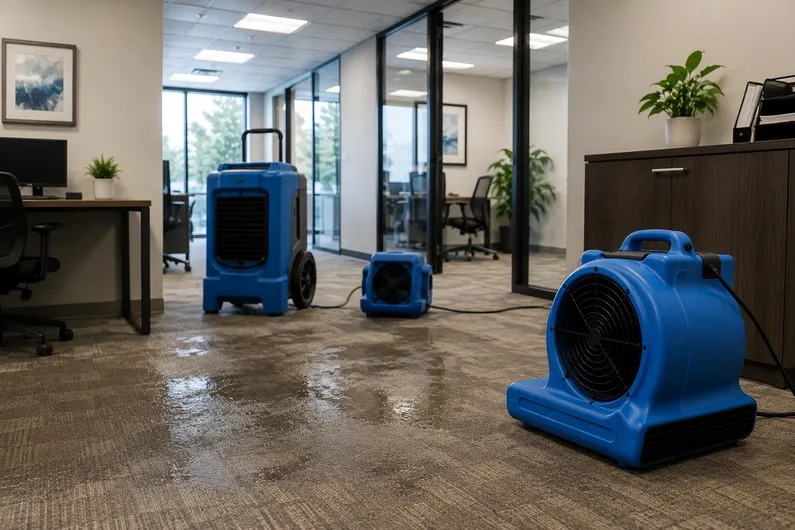
- Structural Drying: After extraction, targeted drying, using dehumidifiers and air movers, removes residual moisture from walls, floors, and assemblies.
- Moisture Mapping: Specialists perform moisture mapping to find hidden wet areas, so every affected zone can be dried and treated.
Together, these steps restore the property and reduce secondary issues like mold growth and structural deterioration.
Common Challenges During Restoration
Restoration projects in commercial buildings often face unique complications:
- Complex Building Layouts: Large footprints, multiple levels, and interconnected systems require detailed planning to reach and dry all affected areas.
- Liability and Tenant Coordination: Multi-tenant properties create coordination needs around access, responsibilities, and claim handling.
- Risk to Inventory: Retail and storage facilities may have high-value stock at risk, making fast mitigation and inventory protection critical.
Recognizing these challenges early helps the restoration team manage the project efficiently.
Expected Outcomes from Restoration Work
Effective restoration delivers practical, measurable results for commercial properties:
- Restored Functionality: Spaces are returned to serviceable condition so businesses can resume operations with minimal disruption.
- Thorough Documentation for Claims: Detailed records, photos, and reports support accurate insurance claims and help secure appropriate compensation.
- Preventive Measures: Post-restoration steps, moisture control, repairs, and scheduled inspections reduce the risk of repeat incidents.
These outcomes support business continuity and long-term property resilience while highlighting the value of professional restoration services.
Immediate Steps for Commercial Water Damage Mitigation
Fast action after water intrusion limits damage. Initial steps typically include:
- Emergency Contact: Call restoration professionals immediately so an assessment and plan can begin without delay.
- Initial Water Extraction: Teams use powerful pumps and vacuums to remove standing water and reduce the window for secondary damage.
- Safety Measures: Protect people and property, cut power to affected areas if needed and use proper personal protective equipment.
These early mitigation steps reduce long-term costs and speed recovery.
How Emergency Water Extraction Is Performed in Commercial Settings
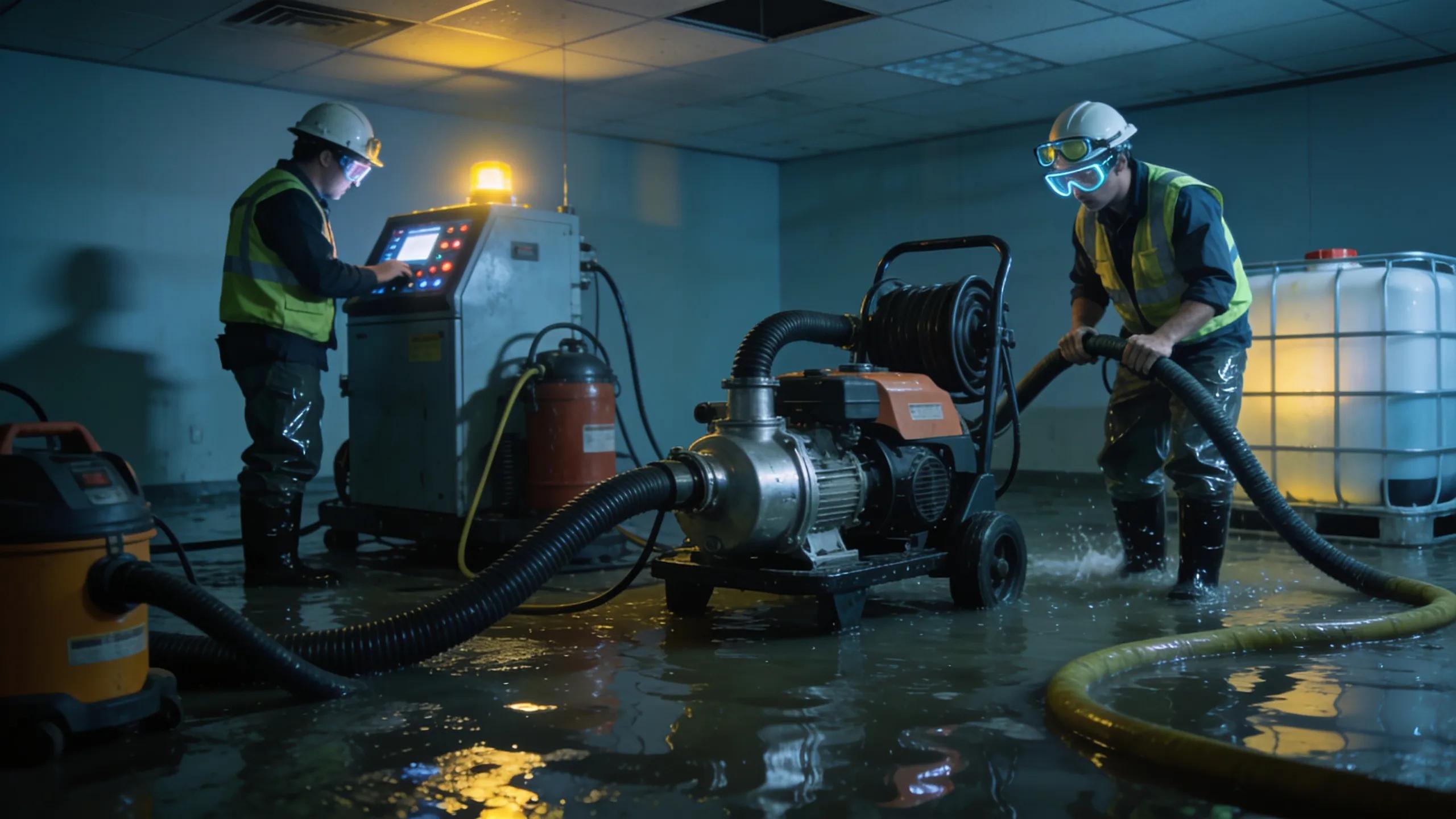
Extraction relies on commercial-grade equipment and trained crews to remove water quickly and safely. Typical elements include:
- Deployment of Pumps: High-capacity pumps remove large volumes of standing water efficiently.
- Use of Specialized Vacuums: Extraction vacuums are used for soaked carpets, pads, and hard-to-reach areas.
- Strict Safety Protocols: Crews follow safety procedures, especially around electricity and structural risks, throughout the extraction process.
Effective extraction sets the stage for thorough drying and repair.
Why Speed Matters for Businesses
Rapid cleanup and restoration protect a company’s operations and finances for several reasons:
- Reduced Operational Downtime: Faster restoration shortens closures and helps businesses get back to serving customers.
- Lower Overall Repair Costs: The sooner water is removed and materials dried, the less chance of costly structural damage and mold remediation.
- Stronger Insurance Position: Prompt, well-documented cleanup preserves evidence needed for timely and accurate insurance claims.
Timely response protects both the bottom line and the building’s long-term condition.
The Full Commercial Water Damage Restoration Process
A comprehensive restoration addresses the incident from assessment through handover:
- Emergency Response and Mitigation: Rapid assessment and initial mitigation reduce ongoing damage and protect assets.
- Structural Drying and Reconstruction: Targeted drying is followed by repairs or rebuilding where materials or systems were compromised.
- Coordination with Insurance Adjusters: Restoration teams document damage and communicate with insurers to support a smooth claims process.
This end-to-end approach ensures the property is repaired, safe, and ready for occupancy.
Structural Drying and Industrial Repair Methods
Structural drying is a technical process that relies on proven methods:
- Advanced Drying Equipment: Strategically placed dehumidifiers and air movers accelerate evaporation and lower humidity.
- IICRC Best Practices: Work follows Institute of Inspection, Cleaning, and Restoration Certification (IICRC) standards to meet industry benchmarks.
- Industrial Considerations: Facilities with sensitive machinery or complex infrastructure require tailored solutions to protect equipment and processes.
These deliberate methods ensure thorough drying and reduce the chance of future problems.
The Role of Restoration Contractors
Restoration contractors coordinate the technical and logistical aspects of recovery. Their responsibilities include:
- Rapid Response and Damage Assessment: They assess scope and create a prioritized plan for mitigation and repair.
- Detailed Documentation: Contractors generate the reports, photos, and estimates insurers require to process claims.
- Managing Reconstruction: They oversee repair and rebuild work, ensuring safety, code compliance, and quality control.
Experienced contractors streamline the process and reduce stress for property owners and facility teams.
Handling Insurance During Commercial Water Damage Claims
Insurance coordination can be complex; these are the core elements to expect:
- Claims Process Support: Restoration teams often guide clients through the claims workflow and provide supporting documentation.
- Required Documentation: Insurers typically need photos, estimates, and detailed damage descriptions to process claims.
- Common Claims Challenges: Delays or disputes can occur; clear communication and thorough records help resolve issues faster.
A proactive approach to documentation and communication helps secure the best possible coverage outcome.
What Insurance Typically Covers
Coverage varies by policy, but common considerations include:
- Covered Incidents: Many policies cover sudden events like burst pipes, some flooding incidents, and accidental discharge, but review your policy for specifics and exclusions.
- Typical Exclusions: Damage from neglect, poor maintenance, or known, unaddressed issues is frequently excluded.
- Policy Limits: Understanding limits and deductibles helps businesses plan for potential out-of-pocket costs.
Knowing your policy details and documenting damage promptly will support a smoother claims process.
Coordinating Between Insurers and Facility Teams
Successful restoration depends on clear teamwork among insurers, facility managers, and contractors:
- Open Communication: Establish clear channels for updates, approvals, and documentation sharing.
- Defined Roles: Clarify responsibilities for decision-making, approvals, and on-site access.
- Coordinated Workflows: Align schedules and priorities so mitigation, repairs, and claims progress without unnecessary delay.
Good coordination speeds recovery and reduces friction throughout the project.
Post-Restoration Assessment and Mold Prevention Best Practices
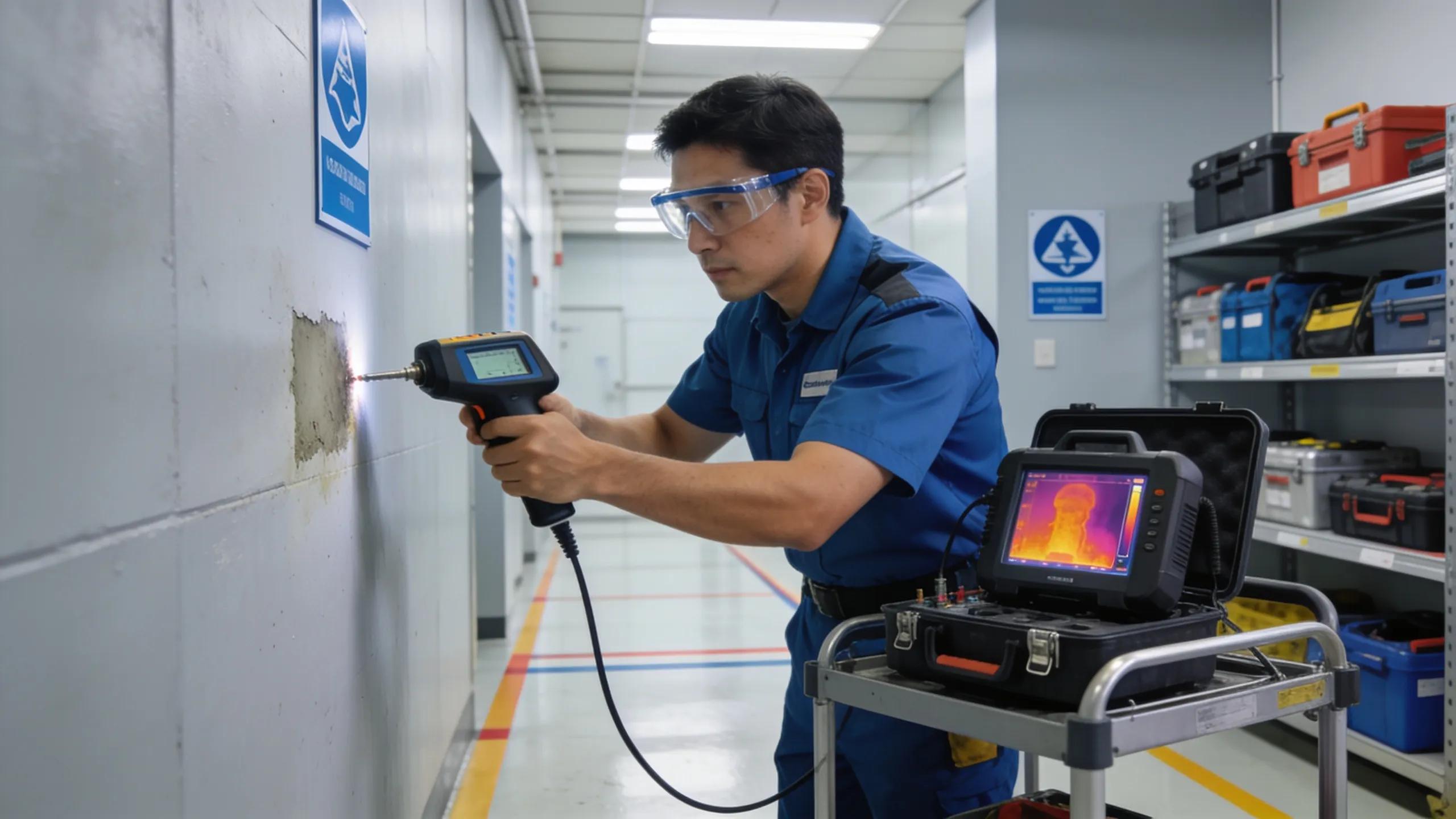
A thorough post-restoration assessment confirms the work and reduces future risk. Key practices include:
- Identify Remaining Moisture Sources: Inspect plumbing, roofing, and drainage to find and fix ongoing moisture issues.
- Containment and Cleaning: Use containment and professional cleaning to limit mold spread while remediating affected materials.
- Ongoing Maintenance: Set a schedule for inspections and maintenance to catch problems early.
Proactive follow-up protects the building and its occupants long after the initial repair is complete.
Mold Prevention After Cleanup
Preventing mold means addressing conditions that allow it to grow. Effective steps include:
- Eliminate Residual Moisture: Continue drying and monitor moisture levels until all affected elements are confirmed dry.
- Apply Antimicrobial Treatments: Where appropriate, treatments can reduce the chance of mold reestablishing.
- Train Occupants and Staff: Teach people how to spot moisture or mold signs and report them promptly.
These measures help maintain a healthy environment and reduce the chance of future remediation work.
Why Post-Restoration Evaluation Matters
Final evaluation ensures the property is safe, dry, and ready for occupancy for several reasons:
- Confirm Safety: Assessments verify structural integrity and occupant safety before reopening spaces.
- Detect Hidden Moisture: Targeted testing finds trapped moisture that could lead to mold or decay if left unaddressed.
- Implement Ongoing Prevention: A post-restoration plan with inspections and moisture control reduces long-term risk.
Thorough evaluation is essential for compliance, peace of mind, and the long-term health of the property.


