Flood Cleanup Services vs. Water Damage Restoration: Understanding the Difference
 Jan 26, 2026
 What should you know first?
Confused about flood cleanup services vs water damage restoration? Learn the key differences, when each is needed, and how to avoid paying for unnecessary work in Fraser, MI.
Flood Cleanup and Water Damage Restoration Explained
You’re standing in your basement at 2 AM, watching water lap against the bottom step. Your first instinct is to grab your phone and search for help, but the terms start blurring together. Do you need “flood cleanup”? “Water damage restoration”? “Emergency water removal”? In the chaos of a water emergency, these distinctions might seem trivial, but understanding the difference can save you thousands of dollars. For nearly three decades, we’ve helped Fraser and Macomb County homeowners navigate this exact confusion. The truth is straightforward: flood cleanup services handle the immediate emergency, while water damage restoration rebuilds what the water destroyed.
What Flood Cleanup Services Actually Include
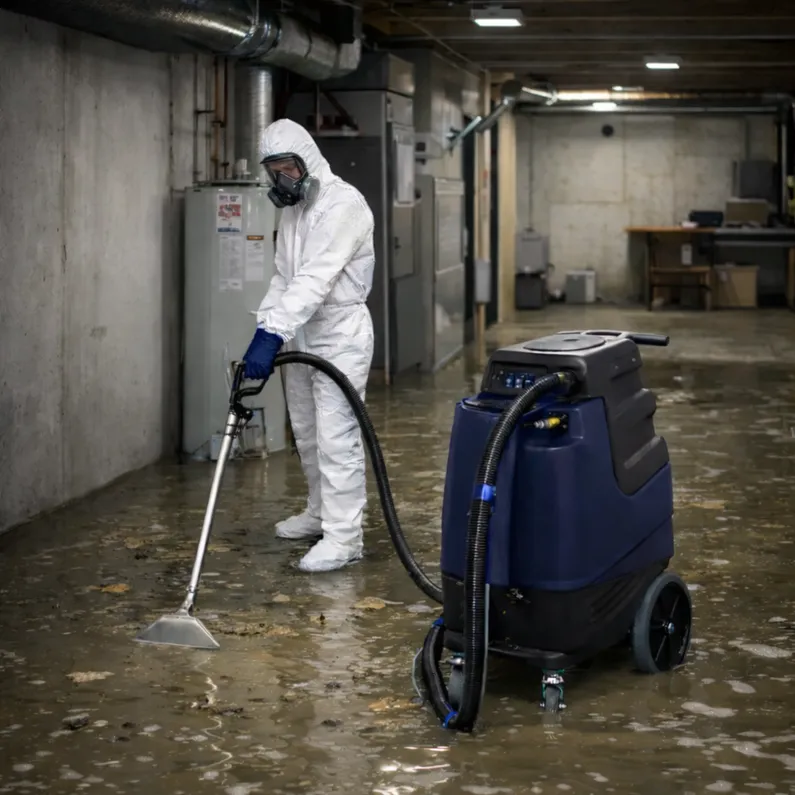
Flood cleanup services represent the critical first response when water invades your property. Think of it like emergency medical care - the goal is to stabilize the situation and prevent further harm. Our technicians arrive with truck-mounted water extractors capable of removing thousands of gallons per hour, industrial air movers that push over 3,000 CFM to accelerate evaporation, and commercial-grade LGR dehumidifiers that pull moisture from the air faster than a dozen household units combined.
The process adheres to IICRC standards for water damage mitigation, beginning with a comprehensive moisture assessment that utilizes thermal imaging cameras and penetrating moisture meters. We extract standing water, then strategically position drying equipment to remove moisture from materials that can be saved. Antimicrobial treatments prevent microbial growth during the drying process, which typically takes three to five days, depending on the extent.
The clock starts ticking the moment water enters your home. Within 24 to 48 hours, mold spores begin colonizing wet materials, turning a manageable cleanup into a full-blown remediation project. In Fraser and throughout Macomb County, we respond to basement floods from overwhelmed sump pumps, sewer backups during heavy rains, and burst pipes during winter freezes. Professional flood cleanup services focus exclusively on water removal and structural drying, not on rebuilding walls or replacing flooring.
Water Damage Restoration: The Complete Recovery Process
Water damage restoration picks up where flood cleanup ends. Once our technicians verify that moisture levels have returned to normal and all affected areas are completely dry, restoration addresses the physical damage water left behind. This phase involves removing and replacing materials that couldn’t be saved, repairing structural components compromised by water exposure, and returning your property to its pre-loss condition.
The scope varies dramatically based on how long water was present and what it contacted. Minor restoration might involve replacing a section of drywall and repainting. Extensive restoration can mean removing flooring throughout an entire level, replacing insulation inside wall cavities, repairing or replacing electrical systems that were submerged, reconstructing damaged framing, and coordinating with plumbers and electricians to address systems damaged by water exposure.
A complete water damage restoration project can take anywhere from one week to several months, depending on damage severity. Unlike flood cleanup services, restoration requires construction expertise, multiple trades, and careful attention to building codes. The value of working with a company like Miracle Property Restoration that handles both phases seamlessly is considerable - you maintain a single point of contact and benefit from our 29 years of experience coordinating every aspect of recovery.
Situations Where Flood Cleanup Services Are Enough
Not every water event requires tearing out walls and replacing flooring. When water damage is caught quickly and involves clean water on non-porous surfaces, professional flood cleanup services alone can fully resolve the problem. Category 1 water from clean sources like supply lines that’s removed within 24 to 48 hours often causes minimal lasting damage.
A washing machine supply line that bursts and floods a tile laundry room, a water heater that leaks onto a concrete basement floor, or small groundwater seepage through a basement wall crack - these scenarios typically don’t penetrate deep into structural materials. Our technicians extract the water, position air movers and dehumidifiers to dry the affected area, and use moisture meters to verify that readings return to normal levels.
Even in Fraser basements prone to seasonal flooding, immediate response often means the difference between a cleanup-only scenario and extensive restoration. If you catch the water before it’s been standing for two days, if it hasn’t wicked up inside your drywall more than a few inches, and if our moisture readings show we can successfully dry materials in place, flood cleanup services handle the entire problem. Your insurance claim is smaller, the disruption to your home is minimal, and you’re back to normal within a week.
Red Flags That Indicate You Need Full Water Damage Restoration
Certain warning signs tell you that cleanup alone won’t be sufficient. When water has been standing in your home for more than 48 hours, the damage has already progressed beyond surface-level concerns. Drywall that’s saturated, bulging, or crumbling at the base can’t be saved. Hardwood floors that have cupped, buckled, or separated need replacement. Carpet padding that remains saturated after extraction creates a mold risk even after the surface carpet dries.
Our thermal imaging cameras reveal moisture trapped inside wall cavities, under flooring, and within ceiling assemblies. This hidden moisture creates the perfect environment for mold growth and wood rot. Materials must be removed, the structure dried properly, and new materials installed. In Macomb County’s older homes, many built with plaster walls and dated insulation, water damage often requires more extensive restoration work because these materials don’t dry effectively.
Category 2 water containing contaminants or Category 3 water from sewage or flooding changes the equation entirely. These water types require removal of porous materials they contacted regardless of response time. If you smell persistent musty odors after drying, if electrical outlets were submerged, or if insulation has become waterlogged, restoration becomes necessary. Attempting to dry compromised materials usually backfires - you end up paying for mold remediation on top of restoration several months later, doubling or tripling your total cost.
Why Floodwater Requires Specialized Cleanup Services
Category 3 water - grossly contaminated water - demands a completely different approach. This category includes sewage backups, river flooding, and groundwater that collects bacteria, chemicals, and other contaminants. The health risks are substantial, carrying E. coli, hepatitis, salmonella, and numerous pathogens that cause serious illness.
Professional flood cleanup services for Category 3 contamination follow strict protocols. We cannot salvage porous materials that contacted the water - drywall, insulation, carpet, and padding must be completely removed and properly disposed of following Michigan health department requirements. Our technicians wear full PPE, including respirators, protective suits, and gloves. We establish containment barriers using plastic sheeting and negative air pressure to prevent contaminated particles from spreading.
In Fraser and surrounding Macomb County communities, aging sewer infrastructure makes basement sewage backups increasingly common during heavy rainfall. When this happens, you’re facing both immediate flood cleanup services and subsequent restoration - the contamination level makes saving materials impossible. Attempting DIY cleanup of sewage contamination exposes your family to serious health risks and likely violates insurance policy requirements.
When Health Concerns Demand Professional Flood Cleanup Services
Certain water damage scenarios present health hazards that make professional intervention non-negotiable. Any contaminated water exposure requires trained technicians with proper safety equipment. This includes floodwater that’s flowed through your basement, water that’s been standing for more than 48 hours, and situations where mold growth has already begun.
Water damage affecting your HVAC system creates particular concern because contaminated air circulates throughout your entire home. Electrical hazards in flooded areas can be fatal - water and electricity create invisible dangers that persist even after standing water is removed. Children, elderly family members, immunocompromised individuals, and anyone with respiratory conditions face elevated risks.
Professional flood cleanup services include rigorous safety protocols that protect both workers and occupants. Our IICRC-certified technicians complete training in contaminated environment procedures. We document everything for insurance purposes and liability protection. Your family’s health has immeasurable value - the cost difference between DIY attempts and professional service pales in comparison to medical bills or long-term health consequences.
Understanding the Cost Difference: Cleanup vs. Restoration
The financial implications of flood cleanup services versus full restoration differ significantly. Cleanup costs remain relatively contained because the work focuses on water extraction, drying, and monitoring. Restoration costs scale with the extent of materials requiring replacement and the complexity of structural repairs needed.
Several factors drive flood cleanup costs. Water category often matters most - Category 3 cleanup costs significantly more than Category 1 due to disposal requirements and additional safety protocols. Equipment deployment duration affects costs because we charge for each day our equipment remains on site. Complex moisture detection adds to initial assessment costs but prevents far more expensive surprises later.
Most homeowner insurance policies cover emergency restoration services for covered perils, though you’ll pay your deductible. The crucial insight is that professional flood cleanup services, while more expensive than renting equipment yourself, prevent restoration costs that dwarf the cleanup investment. We’ve seen homeowners who delayed professional help for a $3,000 cleanup problem end up facing a $25,000 restoration project three months later when mold and structural damage manifested.
How to Determine What Services You Actually Need
Making the right decision starts with a professional assessment. Time sensitivity should override extensive research - water damage worsens by the hour. When our technicians arrive, they assess several critical factors, including water category, material saturation depth, and hidden moisture inside structural materials.
We’ve spent 29 years helping Fraser homeowners navigate these decisions. We explain what we find, outline your options, and provide honest recommendations about whether you need cleanup only or should proceed directly to restoration. Reputable professionals don’t upsell unnecessary services - our reputation depends on accurate assessments and fair dealing.
We’re available 24/7 throughout Macomb County precisely because these emergencies don’t wait for business hours. Our IICRC certification and nearly three decades of experience mean we’ve seen virtually every scenario and can provide accurate assessments even in complex situations.
Understanding the Difference Protects Your Investment
The distinction between flood cleanup services and water damage restoration determines your timeline, your costs, and whether you’re paying for services you actually need. Flood cleanup represents emergency mitigation, the critical first response that extracts water and dries your property before permanent damage sets in. Water damage restoration rebuilds what water destroyed. Both services are often necessary for complete recovery, but many situations require only cleanup if addressed quickly.
The value of working with Miracle Property Restoration lies in our ability to handle both phases seamlessly. Our team responds immediately to begin flood cleanup services, then transitions naturally into restoration if your situation requires it. With IICRC-certified technicians, 29 years of experience serving Fraser, Warren, Sterling Heights, Clinton Township, and throughout Macomb County, and 24/7 emergency availability, we’re here when you need us most.
Don’t let confusion about flood cleanup services versus restoration delay your response. The 24 to 48-hour window for preventing mold growth is real, and every hour counts. Contact Miracle Property Restoration at (855) 324-2921 for immediate assessment, or learn more about our water damage restoration services in Fraser, MI. We’ll tell you honestly what services your situation requires, work directly with your insurance company, and guide you through recovery from emergency response to final reconstruction.
Frequently Asked Questions
What does this flood cleanup services vs. water damage restoration: understanding the difference guide explain?
Confused about flood cleanup services vs water damage restoration? Learn the key differences, when each is needed, and how to avoid paying for unnecessary work in Fraser, MI.
When should a property owner contact a restoration professional?
Contact a qualified restoration professional when damage is active, hidden moisture may remain, regulated materials could be present, or the loss affects structural materials, indoor air quality, electrical systems, or normal building operations. Prompt assessment helps define safe next steps and limits avoidable secondary damage.
How does Miracle Property Restoration support a damage recovery project?
Miracle Property Restoration provides emergency stabilization, documentation, mitigation, remediation, and reconstruction for commercial and residential properties across Southeast Michigan. The team develops a property-specific scope, records conditions and progress, coordinates with project stakeholders, and restores affected areas after the immediate hazard is controlled.


