
7 Hidden Signs of Water Damage in Your Michigan Home
 Dec 4, 2025
 What should you know first?
Water damage isn't always obvious. Learn the hidden warning signs Fraser homeowners miss, from musty odors to warped floors. Catch problems early and save thousands.
Water damage doesn’t always announce itself with a flooded basement or a dramatic pipe burst. More often, it starts quietly-a small leak behind a wall, moisture seeping through a foundation crack, or a slow drip under a sink that goes unnoticed for months. By the time the problem becomes obvious, significant damage may have already occurred.
For homeowners in Fraser and throughout Michigan, learning to recognize the subtle warning signs of water damage can save thousands of dollars in repairs and protect your family’s health. Here are seven often-overlooked indicators that water may be causing problems in your home.
Musty or Earthy Odors
One of the earliest signs of hidden water damage is a smell you can’t quite place. If certain rooms or areas of your home have a persistent musty, earthy, or damp odor, moisture is likely accumulating somewhere out of sight. This smell often indicates mold or mildew growth, which only needs 24 to 48 hours of damp conditions to begin developing.
Pay particular attention to basements, crawl spaces, bathrooms, and areas under sinks. If the smell intensifies after rain or seems stronger in humid weather, that’s another clue pointing toward a moisture problem. Don’t try to mask the odor with air fresheners-the underlying issue needs to be found and addressed.
Bubbling or Peeling Paint
When paint starts bubbling, cracking, or peeling away from walls or ceilings, moisture is usually the culprit. Water trapped behind painted surfaces prevents proper adhesion, causing the paint to separate and lift. This is especially common on bathroom ceilings, exterior walls, and ceilings below bathrooms or kitchens on upper floors.
Wallpaper exhibits similar behavior when moisture is present. If you notice seams lifting, bubbles forming, or sections pulling away from the wall, there’s likely water behind it. Rather than simply repainting or re-adhering wallpaper, investigate what’s causing the moisture before making cosmetic repairs.
Warped or Buckled Flooring
Flooring materials react noticeably to moisture exposure. Hardwood floors may start to cup, crown, or buckle when water seeps up from below, or spills go unaddressed. Laminate flooring often swells at the seams and develops a spongy feel underfoot. Even tile floors can show signs-grout may darken, crack, or develop mold growth between tiles.
In many Fraser homes with basements, moisture wicking up through concrete slabs affects the flooring on the first floor. If you notice sections of flooring that feel different when you walk across them, or if gaps are appearing between boards that weren’t there before, moisture is likely the cause. Vinyl flooring may also curl at the edges or develop discoloration when exposed to persistent dampness.
Water Stains on Ceilings or Walls
Brown or yellowish stains on ceilings and walls are telltale signs of water intrusion, yet homeowners sometimes dismiss them as old damage or simply paint over them. These stains indicate that water has traveled from somewhere-a leaky roof, burst pipe, failed caulking around a tub, or condensation from HVAC equipment.
The stain you see is often just the visible portion of a larger problem. Water travels along unexpected paths, running down beams and pipes before emerging far from its source. A stain on a first-floor ceiling might stem from a bathroom leak two floors up. Any new stain, or an existing stain that appears to be growing warrants investigation.
Discolored or Soft Baseboards
Baseboards sit at the junction between walls and floors, making them particularly vulnerable to water damage from multiple sources. Leaks from within walls drain downward and often reach baseboards first. Flooding or standing water contacts them directly. Even moisture wicking up through concrete slabs can affect baseboards along exterior walls.
Check your baseboards periodically for signs of trouble. Discoloration, warping, or paint that’s peeling at the bottom edge all suggest moisture exposure. Press gently on baseboards in suspect areas-if they feel soft, spongy, or give way easily, water damage has already compromised the material. Baseboards that are pulling away from the wall may also indicate swelling from moisture absorption.
Unexplained Increases in Water Bills
A sudden spike in your water bill without a corresponding change in usage often points to a hidden leak. Even a small leak can waste significant amounts of water over time-a dripping faucet might waste 20 gallons per day, while a running toilet can waste 200 gallons or more.
More concerning are leaks in supply lines hidden within walls, under slabs, or underground between the meter and your home. These leaks may go undetected for extended periods while causing substantial water damage. If your bill seems unusually high, check toilets for silent leaks, inspect visible pipes for drips, and consider having your plumbing system evaluated. Many older homes in established Fraser neighborhoods have aging plumbing that becomes increasingly prone to leaks and failures.
Visible Mold Growth in Corners or Closets
Mold needs moisture to grow, so its presence always indicates a water problem. While bathroom mold around tubs and showers is common and often manageable, mold appearing in closets, corners, or other unexpected locations signals hidden moisture that needs attention.
Check corners where exterior walls meet, closets along outside walls, and areas behind furniture that sits against exterior walls. These spots often have reduced air circulation, allowing moisture to accumulate. Mold may appear as dark spots, fuzzy growth, or discoloration that spreads over time. Beyond indicating water damage, mold poses health risks, particularly for those with allergies or respiratory conditions.
Why Hidden Water Damage Shouldn’t Be Ignored
The consequences of ignoring these warning signs extend beyond cosmetic concerns. Persistent moisture weakens structural components over time-wood framing can rot, drywall crumbles, and subflooring deteriorates. What starts as a small leak can eventually compromise the structural integrity of walls, floors, and ceilings.
Mold growth presents ongoing health risks and becomes increasingly difficult and expensive to remediate the longer it’s allowed to spread. Additionally, damage that goes unaddressed typically isn’t covered by insurance once it’s deemed a maintenance issue rather than sudden and accidental damage.
Older homes are particularly susceptible to these hidden problems. Aging plumbing develops pinhole leaks, old caulking fails around fixtures, and decades of settling can create new pathways for water intrusion. Homes in Fraser’s established neighborhoods may have original plumbing and roofing components that are reaching the end of their expected lifespan.
Schedule a Professional Inspection
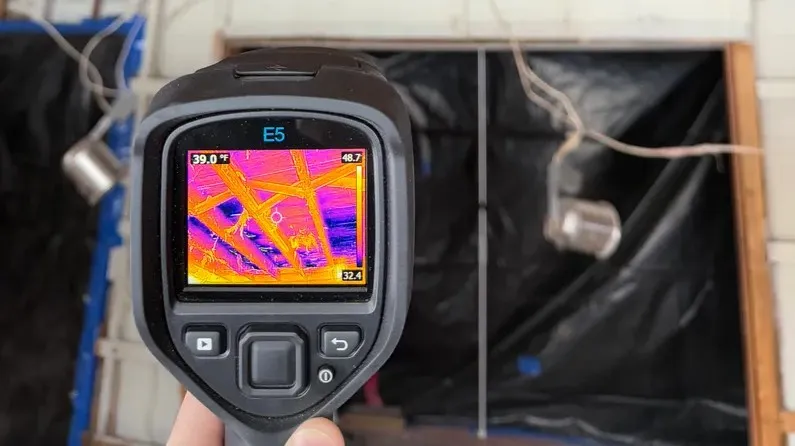
If you’ve noticed any of these warning signs in your home, the wisest course of action is to get a professional assessment. Identifying the source and extent of water damage requires experience and specialized equipment that can detect moisture hidden behind walls and under floors.
Miracle Property Restoration has helped Fraser homeowners uncover and address hidden water damage for years. Our team understands the unique challenges Michigan homes face and knows where to look for problems that aren’t immediately obvious. We can assess your situation, identify moisture sources, and recommend the appropriate steps to protect your home.
Don’t wait for a small problem to become a major repair. Contact Miracle Property Restoration today to schedule an inspection — or learn more about our water damage restoration services in Fraser, MI. Catching water damage early saves money, prevents structural issues, and gives you peace of mind knowing your home is protected.
Frequently Asked Questions
What does this 7 hidden signs of water damage in your michigan home guide explain?
Water damage isn't always obvious. Learn the hidden warning signs Fraser homeowners miss, from musty odors to warped floors. Catch problems early and save thousands.
When should a property owner contact a restoration professional?
Contact a qualified restoration professional when damage is active, hidden moisture may remain, regulated materials could be present, or the loss affects structural materials, indoor air quality, electrical systems, or normal building operations. Prompt assessment helps define safe next steps and limits avoidable secondary damage.
How does Miracle Property Restoration support a damage recovery project?
Miracle Property Restoration provides emergency stabilization, documentation, mitigation, remediation, and reconstruction for commercial and residential properties across Southeast Michigan. The team develops a property-specific scope, records conditions and progress, coordinates with project stakeholders, and restores affected areas after the immediate hazard is controlled.


