
Why Basements Flood in Fraser & Macomb County: Prevention Tips From Local Experts
 Dec 4, 2025
 What should you know first?
Macomb County homes face unique flooding risks. Discover why basement flooding is common in Fraser, MI and learn proven prevention strategies from local restoration experts.
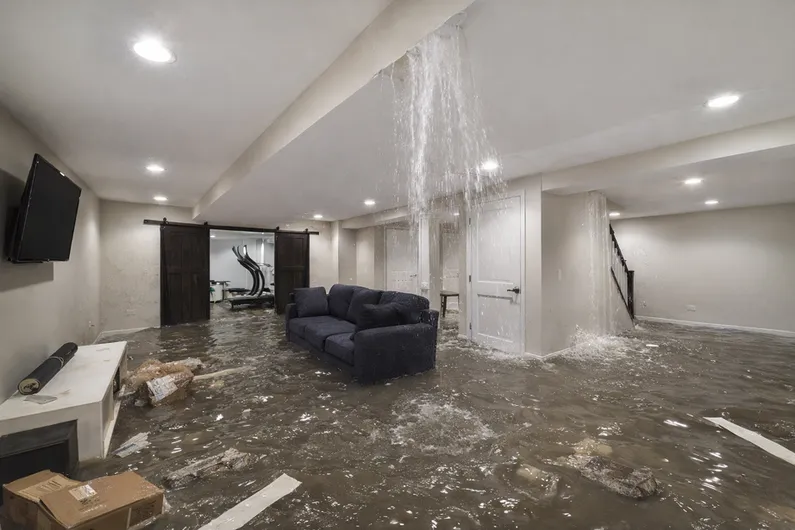
If you’ve lived in Fraser or anywhere in Macomb County for long, you probably know someone who’s dealt with a flooded basement. Maybe it’s happened to you. That sinking feeling of walking downstairs to find standing water is unfortunately common in our area, and it’s not because local homeowners are doing anything wrong. The reality is that our region has several natural and infrastructure-related factors that increase the likelihood of basement flooding compared to many other parts of the country.
Understanding why flooding happens here puts you in a better position to prevent it. Let’s examine what makes Macomb County basements vulnerable and what you can do to safeguard your home.
Why Flooding Is So Common in Our Area
Several factors combine to create challenging conditions for basement waterproofing in Fraser and the surrounding communities.
Clay-Heavy Soil That Holds Water
Michigan soil, particularly in Macomb County, contains a high percentage of clay. Unlike sandy or loamy soil that allows water to drain through relatively quickly, clay soil absorbs water slowly and holds onto it. When rain falls, or snow melts, water doesn’t percolate down and away from your foundation-it pools near the surface and creates hydrostatic pressure against basement walls and floors.
This pressure forces water through any available pathway, including tiny cracks, joints between the floor and walls, and even directly through porous concrete. The more saturated the soil becomes, the greater the pressure and the more likely water is to find its way inside.
High Water Tables
Much of Macomb County sits over relatively high water tables, meaning the natural level of groundwater isn’t far below the surface. During wet seasons, this water table rises even higher. When it reaches the level of your basement floor, water can seep up through the slab itself, even in basements that have never had flooding issues before.
Homes built in lower-lying areas or near natural drainage paths face even greater challenges. The water table in these locations may fluctuate significantly throughout the year, creating unpredictable flooding risks.
Flat Terrain
Unlike hilly regions where gravity helps move water away from structures, Macomb County’s relatively flat terrain means water doesn’t have an obvious path to follow. It tends to spread out and settle rather than flow away, which keeps soil around foundations saturated for longer periods after rain events.
Aging Municipal Infrastructure
Fraser and many surrounding communities developed decades ago, and municipal storm systems were designed for the population density and weather patterns of that era. As communities have grown and impervious surfaces like driveways, parking lots, and rooftops have replaced open land, these systems handle more runoff than they were designed to manage.
During heavy rain events, storm drains can become overwhelmed. When the municipal system backs up, water has nowhere to go except into the ground around your home-or worse, back through floor drains and into basements directly.
Spring Weather Patterns
Michigan springs deliver a difficult combination for basements. Heavy rains arrive while snow is still melting, creating enormous volumes of water in a short period. Frozen ground early in the season prevents absorption, sending even more water toward foundations. By the time soil thaws enough to accept moisture, it’s often already saturated from snowmelt.
This annual pattern is why basement flooding claims spike every spring across Macomb County. Even homes that stay dry the rest of the year may experience problems during this challenging season.
Prevention Strategies That Work
While you can’t change the soil composition or flatten the water table, you can take meaningful steps to protect your basement from flooding.
Install and Maintain a Quality Sump Pump
A properly functioning sump pump is your basement’s primary defense against water intrusion. If you don’t have one, installation should be a priority. If you do have one, regular maintenance ensures it will work when you need it most.
Test your sump pump every few months by pouring water into the pit and confirming it activates and pumps water out effectively. Listen for unusual sounds that might indicate worn bearings or motor problems. Most sump pumps last about ten years, so if yours is approaching that age, consider replacing it before it fails during a storm.
Add a Battery Backup System
Power outages often accompany the severe storms that bring the heaviest rain. Without electricity, your primary sump pump is useless right when the flooding risk is highest. A battery backup system provides insurance against this scenario, keeping water pumping even when the power goes out.
Some homeowners opt for water-powered backup pumps that use municipal water pressure to operate. These never run out of charge but do increase water usage. Battery systems require periodic testing and battery replacement, but offer reliable protection for most outage durations.
Grade Your Yard Away From the Foundation
The ground around your home should slope away from the foundation, directing surface water toward the yard rather than toward your basement walls. Over time, soil settles, and this grading can become compromised. Walk around your home and look for areas where water might pool near the foundation.
Adding soil to create a gentle slope-about six inches of drop over the first ten feet from the house-helps keep surface water moving in the right direction. Avoid piling soil against siding, but do ensure the grade directs water away from the structure.
Extend Downspouts Away From the House
Gutters collect enormous amounts of water during rainstorms, and downspouts concentrate that water in specific locations. If downspouts deposit water right next to your foundation, you’re essentially pouring water toward your basement.
Extend downspouts at least four to six feet away from the house using extensions or underground drain pipes. Direct the water toward areas where it can drain away from the structure, not toward neighboring properties or low spots near the foundation.
Keep Gutters Clean
Clogged gutters overflow, sending water cascading down exterior walls and pooling at the foundation. Clean gutters at least twice yearly, in late spring and late fall, and consider installing gutter guards to reduce debris accumulation. Ensure gutters are properly pitched toward downspouts so water flows rather than standing.
Seal Basement Cracks
Cracks in the basement walls and floors provide easy pathways for water entry. Small cracks can be sealed with hydraulic cement or specialized sealants available at hardware stores. Larger cracks or cracks that seem to be growing may indicate structural issues that warrant professional evaluation.
Pay particular attention to the joint where basement walls meet the floor, as this is a common entry point for water under hydrostatic pressure.
Install a Backwater Valve
A backwater valve prevents sewage and water from backing up through floor drains when municipal systems become overwhelmed. This device allows water to flow out normally but closes automatically if the flow reverses. For homes in areas prone to storm system backups, a backwater valve provides essential protection against one of the most unpleasant types of basement flooding.
If Flooding Does Occur
Despite best efforts, flooding can still happen. If you discover water in your basement, prioritize safety first-don’t enter standing water if electrical hazards may exist. Once safe, document the damage for insurance purposes, remove water as quickly as possible, and begin drying efforts immediately to prevent mold growth.
Professional water damage restoration significantly improves outcomes after basement flooding. Commercial equipment removes water and moisture far more effectively than household tools, and experienced technicians know how to address hidden moisture that can cause problems long after visible water is gone.
Miracle Property Restoration Is Here to Help
Basement flooding is stressful, but you don’t have to face it alone. Miracle Property Restoration provides comprehensive basement water damage services throughout Fraser and Macomb County. Our team understands the unique challenges local homes face and responds quickly to minimize damage and restore your basement properly.
Whether you’re dealing with water in your basement right now or want to discuss prevention strategies, we’re here to help. Learn more about our water damage restoration services in Fraser, MI or contact us today for emergency services or to schedule a consultation about protecting your home from basement flooding.
Frequently Asked Questions
What does this why basements flood in fraser & macomb county: prevention tips from local experts guide explain?
Macomb County homes face unique flooding risks. Discover why basement flooding is common in Fraser, MI and learn proven prevention strategies from local restoration experts.
When should a property owner contact a restoration professional?
Contact a qualified restoration professional when damage is active, hidden moisture may remain, regulated materials could be present, or the loss affects structural materials, indoor air quality, electrical systems, or normal building operations. Prompt assessment helps define safe next steps and limits avoidable secondary damage.
How does Miracle Property Restoration support a damage recovery project?
Miracle Property Restoration provides emergency stabilization, documentation, mitigation, remediation, and reconstruction for commercial and residential properties across Southeast Michigan. The team develops a property-specific scope, records conditions and progress, coordinates with project stakeholders, and restores affected areas after the immediate hazard is controlled.


