Water Extraction Service in Fraser, MI: What Professional Equipment Actually Does That Shop-Vacs Can't
 Jan 15, 2026
 What should you know first?
Professional water extraction service uses truck-mounted extractors, thermal imaging, and LGR dehumidifiers that shop-vacs can't match. Fraser, MI 24/7 response.
When water floods your Fraser basement at 2 AM, the shop-vac in your garage seems like the obvious first move. You’ve used it before for smaller spills, and it’s right there, ready to go. But here’s what most Macomb County homeowners discover too late: that trusty shop-vac is essentially trying to empty Lake St. Clair with a drinking straw. Professional water extraction service isn’t just about having bigger equipment - it’s about having fundamentally different technology that addresses water damage in ways consumer tools physically cannot.
After 29 years of responding to water emergencies across Fraser, Warren, and Sterling Heights, we’ve seen countless homes where well-intentioned DIY extraction created more problems than it solved. The water you can see is only part of the problem. The water trapped in subflooring, wicked up into wall cavities, and saturated into structural materials - that’s where the real damage happens, and that’s precisely what professional water extraction service targets.
The Physics Problem Your Shop-Vac Can’t Solve
The average consumer shop-vac generates somewhere between 5 and 6.5 horsepower of suction. Impressive for cleaning out your car or handling a small toilet overflow. Our truck-mounted extraction units? They operate at 25 to 30 horsepower with dual three-stage vacuum motors. This isn’t a marginal difference - it’s a completely different category of equipment designed for an entirely different purpose.
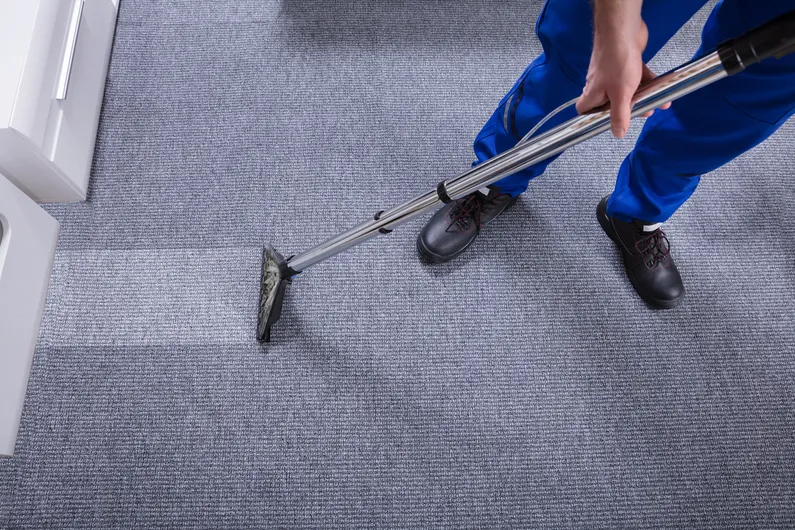
But raw power only tells part of the story. Professional water extraction service uses specialized wands and extraction tools that create sustained negative pressure across large surface areas. A shop-vac’s nozzle pulls water from a few square inches at a time. Our weighted extraction tools cover entire sections of carpet or flooring simultaneously, creating a seal that draws water not just from the surface, but from the pad underneath and even from the subfloor.
Extraction Depth: Where DIY Efforts Stop and Problems Begin
Here’s the critical difference: a shop-vac removes standing water. Professional equipment removes bound water - the moisture that’s been absorbed into porous materials. When your basement floods in Fraser, the water doesn’t just sit on top of your concrete. It soaks into the porous concrete itself, into carpet padding, into the bottom plates of walls, into the paper backing of drywall.
A typical residential shop-vac might pull 50-60% of surface moisture from carpet. Our truck-mounted extractors, using hot water extraction techniques and sustained suction, can remove 95-97% of moisture from carpet and padding. That seemingly small difference? It’s the gap between a home that dries properly and one that develops mold problems two weeks later.
Moisture Detection Technology: Finding Water You Can’t See
This is where most DIY water extraction efforts completely fail, and homeowners don’t realize it until they’re dealing with mold remediation months later. You can’t dry what you can’t detect, and consumer-grade approaches rely entirely on what you can see and feel. Professional water damage mitigation operates on a completely different principle: trust the instruments, not your eyes.
Thermal Imaging: Seeing Through Walls
Our IICRC-certified technicians carry thermal imaging cameras to every water damage call in Macomb County. These cameras detect temperature variations that indicate moisture presence behind surfaces. When water wicks up inside a wall cavity, it creates a cooling effect as it evaporates. The thermal camera shows this as a distinct color pattern, revealing the full extent of water migration - often two or three feet higher than any visible water line.
We’ve responded to countless calls where homeowners extracted standing water from a Warren basement, assumed they got it all, and three months later discovered mold growing four feet up their drywall. The water had wicked upward through capillary action, completely invisible to the naked eye, creating the perfect environment for microbial growth. A ten-second thermal scan reveals what weeks of visual inspection would miss.
Moisture Meters: Quantifying the Problem
Visual assessment is subjective. “It feels dry” doesn’t meet insurance documentation standards, and it certainly doesn’t predict whether materials will develop mold. A professional water extraction service includes comprehensive moisture mapping using pin-type and non-invasive moisture meters.
Pin meters penetrate materials to measure moisture content at various depths. Non-invasive meters scan large areas without causing damage, perfect for checking drywall and finished surfaces. We document moisture readings in multiple locations, creating a moisture map that shows exactly where water has traveled and tracks drying progress over time. This data-driven approach is what separates professional emergency water removal from guesswork.
When we respond to a 24/7 emergency restoration call, we’re not just extracting water - we’re conducting a forensic investigation to find every drop of moisture before it causes secondary damage.
Commercial Air Movers vs. Household Fans: The CFM Difference
After extraction comes the drying phase, and this is where the equipment gap becomes almost comical. Your household box fan moves maybe 1,000 to 2,000 cubic feet of air per minute (CFM). Professional axial air movers used in water damage mitigation? They move 2,800 to 3,400 CFM and can be positioned to create specific airflow patterns that target moisture.
Strategic Airflow: It’s Not About More Fans
Simply pointing fans at wet areas doesn’t create effective drying conditions. A professional water extraction service includes calculating the precise number and placement of air movers based on the affected square footage, the materials involved, and the moisture readings. We create focused, high-velocity airflow across wet surfaces while managing the room’s overall air exchange.
In a typical Fraser basement water damage scenario, we might deploy six to eight commercial air movers positioned to create what’s called a “controlled airflow pattern.” Air movers directed at walls create a vortex effect that pulls moisture from within wall cavities. Units positioned on wet carpet are angled to maximize evaporation without just pushing moisture around. This level of strategic placement is based on psychrometry - the science of air and moisture interaction - not guesswork.
Your box fan doesn’t create the same effect. It moves some air, creates some evaporation, but it’s nowhere near the targeted, measured approach that professional equipment allows.
Commercial Dehumidification: LGR Technology vs. Portable Units
Once you’ve got air moving and water evaporating, you face another physics problem: where does that moisture go? It goes into the air. And if you don’t remove it from the air, it just recondenses on other surfaces. This is where the dehumidification gap between DIY and professional water extraction services becomes absolutely critical.
The LGR Advantage
Low Grain Refrigerant (LGR) dehumidifiers represent a completely different technology category than the portable dehumidifier you might run in a damp basement. A typical consumer unit might remove 50-70 pints of water per day and reduce humidity to maybe 50-60%. Our commercial LGR dehumidifiers remove 150 to 200 pints per day and can achieve humidity levels below 30%, creating conditions where materials can actually dry.
Here’s the technical difference: LGR units use a two-stage refrigeration process that removes moisture at a much lower grain depression (the difference between ambient air moisture and the moisture level the machine can achieve). This means they can continue pulling moisture from the air even when conventional dehumidifiers have maxed out their effectiveness.
Grain Depression and Drying Science
When we set up drying equipment at a Clinton Township home, we’re not just plugging in machines and hoping for the best. We calculate the specific humidity, measure grain depression, and adjust equipment based on real-time psychrometric readings. This level of precision is what allows materials to reach their pre-loss moisture content rather than just “getting drier.”
A residential dehumidifier might lower your basement humidity from 80% to 60%. Sounds good until you realize that structural materials need to reach equilibrium moisture content (EMC) levels specific to their composition - often requiring sustained conditions below 40% relative humidity. Professional equipment creates and maintains those conditions. Consumer equipment simply can’t.
Why Hidden Moisture Detection Matters for Complete Water Extraction Service
The most expensive mistake in DIY water extraction is declaring victory too early. Surface dryness means nothing. A Fraser homeowner might extract visible water, run fans for a few days, feel the carpet, and declare success. Meanwhile, moisture trapped in the subfloor, in wall cavities, behind baseboards continues causing damage.
We’ve responded to “secondary damage” calls where the original water damage happened weeks earlier. The homeowner did their own extraction; everything looked and felt dry, but they didn’t address hidden moisture. By the time they called us, mold had colonized wall cavities, subflooring had begun to delaminate, and the restoration cost had tripled.
A professional water extraction service includes daily moisture monitoring throughout the drying process. We don’t remove equipment based on how things look or feel. We remove equipment when moisture readings confirm materials have reached acceptable levels across all affected areas - surface and subsurface. This might take three days, or it might take seven, depending on the materials and extent of saturation.
The Cost Reality: Professional Water Extraction Service vs. DIY Damage
Let’s talk honestly about money, because that’s often why homeowners attempt DIY water extraction. You’re trying to save the cost of professional service. But here’s what that calculation typically misses: the cost of incomplete extraction vastly exceeds the cost of doing it right the first time.
A professional water extraction service in Fraser, MI might cost $2,000-4,000 depending on the extent of damage. That includes proper extraction, monitoring, and documented drying. A DIY attempt costs maybe $100 in equipment rental. Seems like a huge savings until you factor in what incomplete extraction actually costs.
The Hidden Costs of DIY Water Extraction
Incomplete drying leads to mold growth within 48-72 hours under the right conditions. Mold remediation in a Fraser home typically costs $3,000-$ 8,000, depending on the extent of the colonization. Subfloor replacement because moisture wasn’t fully extracted? Another $2,000-5,000. Replacement of drywall that developed hidden moisture damage? $1,500-3,000. You saved $3,000 on professional water extraction and spent $8,000 addressing the problems it would have prevented.
Insurance companies understand this math, which is why most policies cover professional emergency water removal. Attempting DIY extraction might actually violate your policy’s requirement to mitigate damage properly, potentially affecting your claim. Professional documentation from IICRC-certified technicians provides the proof insurers need that mitigation was performed to industry standards.
When to Call a Professional Water Extraction Service Immediately
Some water damage scenarios absolutely require professional response, no exceptions. If you’re dealing with any of these situations in Macomb County, attempting DIY extraction risks serious property damage and potential health hazards:
Category 2 or 3 water contamination (anything beyond clean water from a supply line) requires professional handling with proper safety equipment and antimicrobial treatment. Sewage backups, toilet overflows, and flooding from outside sources fall into this category.
Water damage affecting multiple rooms or levels exceeds what consumer equipment can effectively address. The volume of water and the complexity of drying multiple areas simultaneously requires commercial-grade equipment and coordinated drying strategies.
Water that’s been standing for more than 24 hours has likely already wicked into structural materials and created microbial growth conditions. Professional moisture detection and targeted drying become essential at this point.
Any water damage in finished spaces with hardwood, tile, or specialty flooring needs professional assessment. These materials have specific drying requirements, and improper extraction techniques can cause permanent damage that requires complete replacement.
The Miracle Property Restoration Approach to Water Extraction Service
When you call our 24/7 emergency line at (855) 324-2921, you’re getting more than equipment - you’re getting 29 years of water damage expertise specific to Michigan’s climate and Fraser’s housing stock. Our IICRC-certified technicians have responded to thousands of water emergencies across Sterling Heights, Warren, and throughout Macomb County.
We understand how water behaves in Michigan basements, how Michigan’s freeze-thaw cycles affect plumbing, and how quickly mold develops in our humid summers. Our response includes immediate assessment with professional moisture detection, complete extraction using truck-mounted equipment, strategic placement of commercial air movers and LGR dehumidifiers, daily monitoring with documented moisture readings, and coordination with your insurance company from initial assessment through final documentation.
We don’t leave your home until testing confirms all materials have reached acceptable moisture levels. This comprehensive approach is what separates professional water damage restoration from temporary fixes that create long-term problems.
Making the Right Choice for Your Fraser Home
Professional water extraction service isn’t about paying for convenience - it’s about paying for results that consumer equipment physically cannot achieve. The technology gap between shop-vacs and truck-mounted extractors, between household fans and commercial air movers, between portable dehumidifiers and LGR units isn’t incremental. It’s categorical.
When water damages your Fraser, Warren, or Sterling Heights home, you face a critical decision in the first few hours. Attempting DIY extraction might seem economical, but the hidden moisture left behind creates problems that cost far more to address later. Professional equipment doesn’t just remove more water - it removes water from places you can’t see, at depths consumer tools can’t reach, verified by measurements rather than assumptions.
The shop-vac in your garage has its place for small spills and routine cleanup. But when water floods your basement, saturates your floors, or threatens your home’s structural integrity, professional water extraction service isn’t optional - it’s the only approach that actually addresses the complete problem.
Dealing with water damage right now? Miracle Property Restoration provides 24/7 emergency response throughout Fraser and all of Macomb County. Call (855) 324-2921 for immediate professional water extraction service with commercial-grade equipment and certified technicians. Every hour delays increase damage and restoration costs - don’t let incomplete DIY extraction create problems that could have been prevented. Learn more about what to do in the first 24 hours after water damage or contact us immediately for emergency restoration services.
Frequently Asked Questions
What does this water extraction service in fraser, mi: what professional equipment actually does that shop-vacs can't guide explain?
Professional water extraction service uses truck-mounted extractors, thermal imaging, and LGR dehumidifiers that shop-vacs can't match. Fraser, MI 24/7 response.
When should a property owner contact a restoration professional?
Contact a qualified restoration professional when damage is active, hidden moisture may remain, regulated materials could be present, or the loss affects structural materials, indoor air quality, electrical systems, or normal building operations. Prompt assessment helps define safe next steps and limits avoidable secondary damage.
How does Miracle Property Restoration support a damage recovery project?
Miracle Property Restoration provides emergency stabilization, documentation, mitigation, remediation, and reconstruction for commercial and residential properties across Southeast Michigan. The team develops a property-specific scope, records conditions and progress, coordinates with project stakeholders, and restores affected areas after the immediate hazard is controlled.


