
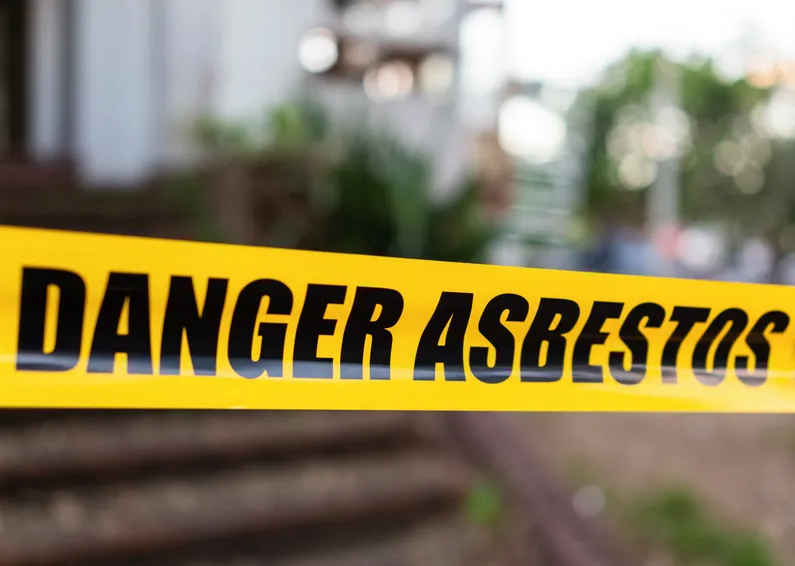
What to Do If You Accidentally Disturb Asbestos in Your Home: A Guide for Macomb County Homeowners
 Mar 12, 2026
 What should you know first?
Accidentally disturbed asbestos in your Macomb County home? Don't panic. Follow these critical steps to protect your family and get professional help fast.
What Should You Do After Disturbing Suspected Asbestos?
You were patching a wall, pulling up old floor tiles, or cutting through some pipe insulation - and now you’re staring at damaged material, wondering if you just made a serious mistake. Maybe a contractor mentioned the word asbestos, or you remembered that your Fraser home was built in the 1960s, and suddenly everything feels urgent. That moment of realization is unsettling, and it’s completely understandable to feel panicked right now.
Here’s what you need to know first: accidental asbestos disturbance happens to Macomb County homeowners more often than most people realize, especially in a region where so much of the housing stock was built during the decades when asbestos was a standard construction material. What happens in the next few minutes and hours matters far more than the disturbance itself. The right response limits your exposure, protects your family, and puts you back in control of the situation. This guide walks you through exactly what to do.
Stop What You’re Doing Immediately
If you suspect you’ve disturbed asbestos-containing material, stop all activity in that area right now. Every additional cut, scrape, or movement of the material releases more microscopic fibers into the air. This applies whether you were drilling through drywall, sanding a textured ceiling, sawing through old pipe insulation, or whether a storm or water event caused structural damage that disturbed existing materials.
The reason this matters so much is invisible. Asbestos fibers are microscopic - you cannot see them, smell them, or feel them. There’s no physical sensation that tells you exposure has occurred. According to the U.S. Environmental Protection Agency, asbestos fibers can remain suspended in the air for hours before settling, meaning continued activity dramatically increases the amount you and your family may inhale. Stopping immediately is the single most important thing you can do, and it costs nothing.
Leave the Area and Keep Everyone Out
Once you’ve stopped work, leave the affected space calmly and deliberately. Don’t rush through other rooms - walking quickly can stir disturbed fibers back into the air and carry them to unaffected areas of your home. Close the door to the affected room if possible, and keep children and pets out.
Before you leave the immediate area, remove your outer layer of clothing if you were working directly with the material. Asbestos fibers cling to fabric and can be carried throughout your home on your clothes, shoes, and hair. Seal contaminated clothing in a plastic bag rather than shaking it out or tossing it in a hamper where fibers can spread further.
One critical step that many homeowners overlook: turn off your HVAC system immediately. Forced air circulation through your home’s ductwork is one of the fastest ways to distribute airborne fibers to rooms that were never affected. The Consumer Product Safety Commission specifically warns against using fans or HVAC systems in areas where asbestos disturbance has occurred. Shut the system down and leave it off until a professional has assessed the situation.
Don’t Try to Clean It Up Yourself
The instinct to grab a broom or vacuum and clean up the mess as quickly as possible is a natural one. It feels like taking control. In the case of accidentally disturbed asbestos, it’s one of the most dangerous things you can do.
A standard household vacuum - even a powerful one - is not designed to capture asbestos fibers. The filtration in conventional vacuums allows microscopic fibers to pass straight through and exhaust back into the air, effectively spreading the contamination further. Only HEPA-filtered equipment rated for asbestos remediation can safely capture fibers of this size. The Occupational Safety and Health Administration (OSHA) mandates HEPA filtration for all vacuum equipment used in professional asbestos abatement for this exact reason.
Wet wiping is sometimes referenced as a limited containment measure, but it is not a substitute for professional remediation and should not be attempted without guidance. The same applies to any attempt to seal or encapsulate the material yourself using tape, paint, or plastic sheeting - improper containment can actually make the situation more complicated and costly to remediate professionally.
Michigan law restricts asbestos removal and remediation to licensed abatement contractors. The regulations exist not to create bureaucracy, but because improper handling consistently makes contamination worse. The Michigan Department of Environment, Great Lakes, and Energy (EGLE) sets strict standards for how asbestos must be handled, contained, transported, and disposed of - standards that require specialized training and equipment that no homeowner should be expected to have on hand.
Which Materials Commonly Contain Asbestos in Macomb County Homes
If your Fraser or Macomb County home was built before 1980, there’s a reasonable chance it contains asbestos-containing materials somewhere. Asbestos was used extensively in residential construction from the 1940s through the late 1970s because it was inexpensive, fire-resistant, and durable. It wasn’t phased out of most building products until regulations caught up in the 1980s.
The most common sources in older Macomb County homes include vinyl floor tiles - particularly the 9x9 inch format that was ubiquitous in mid-century construction - along with the adhesive used to install them. Popcorn or textured ceilings applied before 1980 frequently contain asbestos, as does the joint compound used to finish drywall seams. Pipe and duct insulation, especially the gray or white wrap found around older furnace components and heating pipes, is another common source. Roofing shingles and felt underlayment from that era may also contain asbestos, as can vermiculite attic insulation, which the EPA has specifically flagged as a significant concern due to its widespread contamination with asbestos-bearing ore.
The important distinction is between intact and disturbed material. Asbestos-containing materials that are in good condition and left undisturbed pose a much lower risk than materials that are damaged, deteriorating, or actively being worked on. The moment any of these materials are cut, sanded, drilled, broken, or disturbed by water damage or structural impact, the risk profile changes significantly.
What Professional Asbestos Abatement Actually Looks Like
Many homeowners hesitate to call a professional because they imagine a dramatic hazmat operation that will upend their entire home for weeks. The reality is considerably more measured, and understanding the process can make the decision to call much easier.
A professional abatement response from Miracle Property Restoration begins with an initial assessment of the affected area. If testing hasn’t been performed, bulk samples of the suspected material are collected and sent to an accredited laboratory for analysis. The National Institute of Standards and Technology (NIST) maintains accreditation standards for asbestos testing laboratories, ensuring results are reliable and legally defensible. Air sampling may also be conducted to determine whether fibers are currently present at elevated levels in the surrounding space.
Once the scope of the contamination is established, the affected area is isolated using physical barriers and negative air pressure containment. This means air is drawn out of the contained space and filtered through HEPA equipment before being exhausted, preventing fibers from migrating to the rest of your home. Technicians work within the containment using appropriate personal protective equipment, removing and bagging all asbestos-containing material in accordance with Michigan EGLE requirements.
Disposal follows a regulated process - asbestos waste cannot simply go in a dumpster. It’s packaged, labeled, and transported to approved disposal facilities. After removal is complete, the containment area undergoes a thorough HEPA vacuuming and wet wipe-down, followed by post-clearance air sampling to confirm that fiber levels have returned to safe levels before the containment is removed and the space is released back to you.
Our professional asbestos abatement services include full documentation of the process, which can be valuable for insurance claims and is often required for disclosure during future real estate transactions.
Does Homeowner’s Insurance Cover Accidental Asbestos Disturbance?
This is one of the first questions homeowners ask, and the honest answer is that it depends on your specific policy. Some homeowner’s insurance policies will cover asbestos testing and remediation when the disturbance was sudden and accidental - caused by a covered event like storm damage, a burst pipe, or an unforeseen structural failure. Others specifically exclude asbestos remediation regardless of circumstances.
The most important thing you can do is contact your insurance company promptly and report what happened before any remediation work begins. Document everything you can: photographs of the affected area, the circumstances of the disturbance, and any contractor communications. Avoid making statements that could be interpreted as admitting prolonged awareness of the material’s condition.
Navigating insurance documentation during an already stressful situation is difficult, which is why Miracle works directly with homeowners throughout the claims process. For more on how Michigan property insurance works in damage scenarios, our guide on water damage insurance in Michigan covers many of the same principles that apply to asbestos-related claims.
When to Call a Professional - and Why Sooner Is Always Better
Some homeowners wonder whether a brief, one-time disturbance is really serious enough to warrant a professional response. The Agency for Toxic Substances and Disease Registry (ATSDR) notes that asbestos-related illness is most commonly associated with prolonged occupational exposure, but also makes clear there is no established safe level of asbestos exposure. A significant disturbance event absolutely warrants professional assessment to understand what occurred and whether remediation is needed.
More practically, the longer disturbed materials remain uncontained in your home, the longer your family is potentially breathing air that may contain elevated fiber levels. Every hour matters. And the longer the situation goes unaddressed, the more complex and costly remediation can become, particularly if fibers have migrated to HVAC systems or adjacent spaces.
Miracle Property Restoration serves all of Macomb County with rapid response, including asbestos abatement in Macomb County communities like Fraser, Warren, Sterling Heights, and Clinton Township. Our IICRC-certified technicians are available to respond quickly, assess your situation honestly, and give you a clear picture of what’s needed - without upselling or unnecessary alarm.
You Know What to Do - Now Make the Call
Accidentally disturbing asbestos is frightening, but it’s a manageable situation when you respond correctly. You’ve already done the most important things: stopped work, cleared the area, and started looking for answers. The next step is simple.
Miracle Property Restoration has served Fraser and Macomb County homeowners for over 29 years. Our team is IICRC-certified, Michigan licensed, and fully insured, with the equipment and regulatory knowledge to handle asbestos abatement safely and efficiently from initial assessment through post-clearance testing. We understand that this isn’t an appointment you planned to make - it’s an emergency, and we treat it accordingly.
Call us at (855) 324-2921 any time, contact our team online, or learn more about our asbestos and lead abatement services in Fraser, MI. The sooner we can assess the situation, the sooner your home will be safe again.
Frequently Asked Questions
What does this what to do if you accidentally disturb asbestos in your home: a guide for macomb county homeowners guide explain?
Accidentally disturbed asbestos in your Macomb County home? Don't panic. Follow these critical steps to protect your family and get professional help fast.
When should a property owner contact a restoration professional?
Contact a qualified restoration professional when damage is active, hidden moisture may remain, regulated materials could be present, or the loss affects structural materials, indoor air quality, electrical systems, or normal building operations. Prompt assessment helps define safe next steps and limits avoidable secondary damage.
How does Miracle Property Restoration support a damage recovery project?
Miracle Property Restoration provides emergency stabilization, documentation, mitigation, remediation, and reconstruction for commercial and residential properties across Southeast Michigan. The team develops a property-specific scope, records conditions and progress, coordinates with project stakeholders, and restores affected areas after the immediate hazard is controlled.


